


The Future Trends of Data Science and Artificial Intelligence: Shaping Tomorrow’s World
Introduction
Data science and Artificial Intelligence (AI) is no longer a distant dream or a concept confined to science fiction. It has become an integral part of our daily lives, from the smartphones in our pockets to the algorithms that shape our online experiences. As AI continues to evolve, its impact on various industries and aspects of life will only grow. In this blog, we will explore the future trends of AI, focusing on how this transformative technology is set to reshape the world in the coming years.
Here are the most promising advancements, real-world applications, and the Future Trends that lies ahead.
AI in Healthcare: Precision Medicine and Beyond

One of the most promising areas for AI is in healthcare, where it has the potential to revolutionize patient care, diagnosis, and treatment.
Real-World Example:
AI-Powered Diagnostics: Companies like IBM Watson Health and Google’s DeepMind are leading the charge in using AI to enhance diagnostic accuracy. For instance, AI algorithms can analyze medical images (such as X-rays and MRIs) to detect conditions like cancer or neurological disorders at an early stage. These systems are not only faster but also have the potential to be more accurate than human doctors, reducing the likelihood of misdiagnosis.
Future Trends:
Precision Medicine: AI will enable personalized treatment plans tailored to an individual’s genetic makeup, lifestyle, and environmental factors. This approach will lead to more effective treatments with fewer side effects.
AI-Driven Drug Discovery: The use of AI in drug discovery is set to reduce the time and cost of bringing new drugs to market by identifying promising compounds and predicting their effectiveness in combating diseases.
AI in Autonomous Vehicles: The Road to Self-Driving Cars
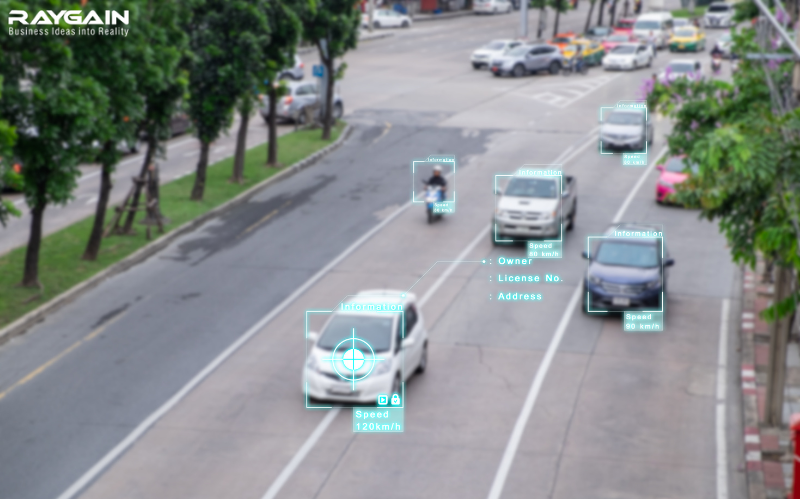
Autonomous vehicles are one of the most talked-about applications of AI, with the potential to drastically reduce traffic accidents and transform the transportation industry.
Real-World Example:
Tesla’s Autopilot: Tesla’s Autopilot system is a prime example of AI in action, using neural networks to process data from cameras and sensors to navigate roads, avoid obstacles, and make real-time decisions. Although still in development, these systems are gradually moving toward full autonomy.
Future Trends:
Fully Autonomous Vehicles: The future will likely see the widespread adoption of fully autonomous vehicles, not just in personal cars but also in public transportation and logistics. Companies like Waymo, Uber, and traditional automakers are heavily investing in AI to perfect this technology.
Smart Cities Integration: Autonomous vehicles will be integrated into smart city infrastructure, where AI systems will manage traffic flow, reduce congestion, and ensure the efficient use of resources.
AI in Education: Personalized Learning and Smart Classrooms

AI is set to play a crucial role in transforming education, making learning more accessible, personalized, and effective.
Real-World Example:
Duolingo: This language-learning app uses AI to tailor lessons to individual learners’ progress, ensuring that content is neither too easy nor too difficult, thus maintaining engagement and optimizing learning outcomes.
Future Trends:
Personalized Learning: AI-driven platforms will provide customized learning experiences based on students’ strengths, weaknesses, and learning styles. This approach will help bridge the gap between students with different learning paces and ensure that no one is left behind.
AI Tutors: Virtual AI tutors will assist students in real time, answering questions and providing explanations on demand. These AI systems will continuously adapt to the needs of the student, offering additional resources or adjusting the difficulty level as needed.
AI in Finance: Smarter Trading and Fraud Detection
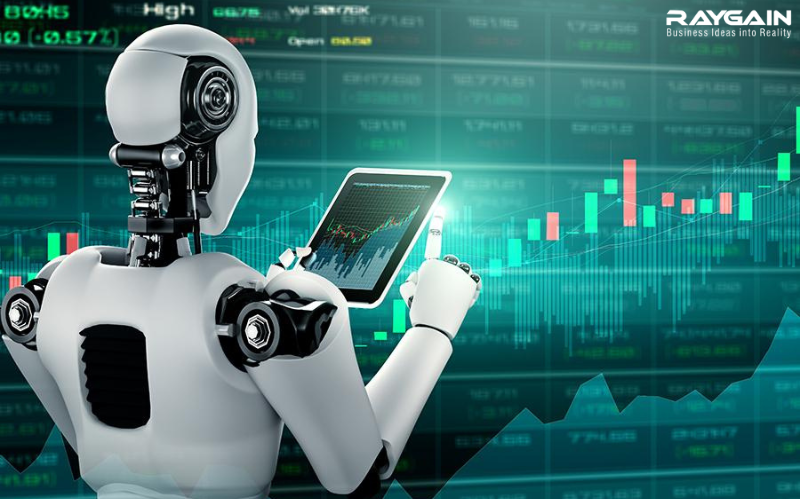
The financial industry has been quick to adopt AI, using it to optimize trading strategies, manage risk, and detect fraudulent activities.
Real-World Example:
High-Frequency Trading (HFT): AI algorithms are used in high-frequency trading to analyze market data and execute trades at lightning speeds. These algorithms can process vast amounts of data in milliseconds, making decisions faster than any human trader.
Future Trends:
AI in Risk Management: AI will play a larger role in predicting and mitigating financial risks, using predictive analytics to foresee market shifts and potential crises before they occur.
Advanced Fraud Detection: AI-powered systems will continue to evolve, becoming more adept at identifying fraudulent activities by analyzing patterns and anomalies in financial transactions.
AI in Customer Service: Chatbots and Beyond

AI is already enhancing customer service through the use of chatbots and virtual assistants, but the future holds even more sophisticated applications.
Real-World Example:
Amazon Alexa and Google Assistant: These virtual assistants use AI to understand and respond to voice commands, helping users with tasks ranging from playing music to controlling smart home devices. Their ability to process natural language and learn from user interactions is continuously improving.
Future Trends:
Emotionally Intelligent AI: Future AI systems will be able to detect and respond to the emotional state of users, providing more empathetic and personalized customer service experiences.
Multilingual Support: AI will enable seamless communication across different languages, breaking down language barriers in customer service and allowing companies to provide support to a global audience.
Ethical AI: Navigating the Challenges

As AI continues to evolve, it raises important ethical questions around privacy, bias, and the potential for misuse.
Real-World Example:
Bias in AI Algorithms: There have been instances where AI algorithms have exhibited biases, particularly in areas like hiring or law enforcement. For example, facial recognition systems have been criticized for their higher error rates when identifying people of color.
Future Trends:
AI Ethics Frameworks: As AI becomes more prevalent, there will be a greater emphasis on developing ethical frameworks to guide its development and use. This will include creating standards for transparency, accountability, and fairness in AI systems.
Regulation and Governance: Governments and international bodies will play a key role in regulating AI to ensure it is used responsibly and does not harm individuals or society at large.
Conclusion
The future of AI is filled with possibilities, as it continues to push the boundaries of what technology can achieve. From healthcare and education to finance and transportation, AI is poised to transform nearly every aspect of our lives. However, with these advancements come significant challenges, particularly in the realm of ethics and regulation. As we move forward, it will be crucial to ensure that AI is developed and deployed in ways that benefit society as a whole while mitigating potential risks. The future of AI is bright, but it will require careful stewardship to ensure that it is a force for good.
